
Pre-Purchase Home Inspections in Burleson, TX
A pre-purchase home inspection is a top-to-bottom evaluation of a house you are under contract to buy, performed by a Texas-licensed inspector before your option period ends. In Burleson, it is the buyer's best defense against the region's two signature problems: foundation movement from expansive clay soil and roofs aged by hail.
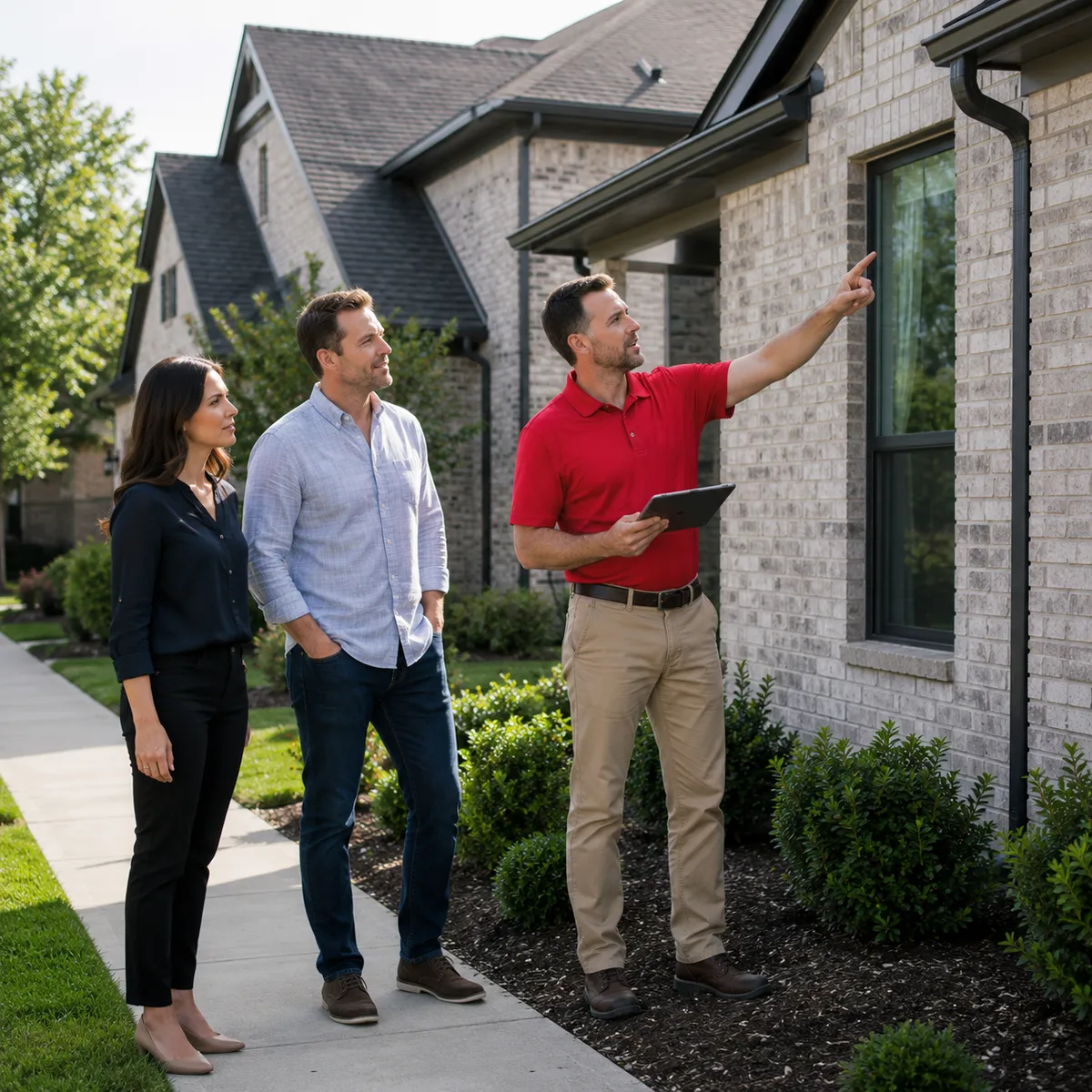
What a pre-purchase inspection covers in Texas
Home inspectors in Texas are licensed by the Texas Real Estate Commission and follow a published Standards of Practice that defines what a general inspection must cover: the foundation and structure, roof, attic, electrical system, plumbing, heating and cooling, built-in appliances, and drainage around the house. The product is a written report that marks each inspected item as deficient or not. It is a visual, non-invasive review of the home's condition on inspection day, not a warranty and not a code compliance certificate.
Because the state writes that scope, a report on a Burleson house is built from the same template as one written anywhere else in Texas. What changes locally is which sections fill up. On a Johnson County home the foundation, roof, and drainage pages carry most of the weight, and an inspector who works this corridor every week reads them against hundreds of similar slab-on-grade brick houses rather than against a national average.
Why the option period drives your timeline
Most Texas purchase contracts include a termination option: for a negotiated fee, the buyer gets a set number of days with the unrestricted right to walk away from the deal. That window is when your inspection needs to happen, because it is the only time you can exit over inspection findings without putting your earnest money at risk. Book the inspector the day your offer is accepted. You want the report in hand with enough days left to gather contractor bids on anything serious and to negotiate with the seller before the option expires.
Locally that math needs extra room. The two findings most likely to send you back for a second opinion here, foundation movement and roof condition, both invite a specialist visit: a structural engineer for the slab, a roofer for hail-bruised shingles, sometimes a licensed pest professional for a wood-destroying insect report. Each one is another appointment inside the same window. An inspection late in the option period with a deadline days later leaves you no time to act on what it finds.
What inspections tend to flag on Burleson homes
Local reports circle the same handful of issues again and again, driven by North Texas soil and weather.
- Foundation movement: the clay soil here expands after rain and contracts through dry spells, so inspectors look hard at slab cracks, uneven floors, sticking doors, and stair-step cracks in brick.
- Roof wear: hail is a fact of life here, and inspectors note bruised shingles, aged flashing, and evidence of past storm repairs the seller may not have mentioned.
- Drainage and grading: soil that slopes toward the slab, or gutters that dump at the foundation, feed the moisture swings that move foundations.
- HVAC condition: Texas summers work air conditioners hard, so system age and cooling performance get real scrutiny.
- Plumbing on older homes: houses from earlier decades can have aging supply and drain lines that deserve a closer look than a visual check provides.
Which of those dominate depends on the age of the house more than on the street. Homes near the original townsite around Old Town are older stock, where plumbing, wiring, and drainage findings pile up. The newer subdivisions on the edges of the city trade those for workmanship items and young landscaping that has not yet settled the grade around the slab. Knowing which kind of house you are touring tells you roughly what the report will say before it arrives.
Compare Burleson Neighborhoods
Read Our Guide to Foundation Inspections
Add-on inspections worth considering
Because the general inspection is visual, some risks call for specialized testing ordered separately. Common add-ons in this area include a wood-destroying insect report, a hydrostatic or camera test of drain lines on older homes, pool and spa inspections, and sprinkler system checks. Your inspector and your agent can tell you which make sense for the specific property. A decades-old house with mature trees over the sewer line carries a different risk profile than a five-year-old build. Of that group, the wood-destroying insect report is the one buyers here add most often, because this part of North Texas is subterranean termite country and a concrete slab does not keep them out.
Learn When You Need a Termite Inspection
How to read the report without panicking
Every inspection report lists deficiencies, even on well-kept homes, because inspectors are required to note everything they observe. The skill is triage. Sort the findings into three buckets: safety and structural items, expensive systems near the end of their life, and routine maintenance. The first two buckets are negotiation material. The third is simply your to-do list as the future owner, and it should not scare you away from an otherwise sound house.
Two local items deserve a bucket of their own. A foundation note and a roof note read as ordinary lines in a Texas report, but around Burleson they are the findings that most often decide whether a deal closes at the agreed price. Neither is settled by the general inspector. A structural engineer measures the slab, a roofer prices the shingles, and those two opinions turn a worrying sentence into a number you can negotiate with.
Turning findings into a decision
- Get bids on the significant items so you negotiate with numbers instead of fears.
- Decide what to ask for: seller repairs before closing, a price reduction, or a closing cost credit that lets you control the work yourself after you own the home.
- Put every request in writing through your agent as a contract amendment.
- If the numbers or the risk do not work, terminate within the option period and keep your earnest money.
Ask for paperwork as well as money. Prior foundation work and recent roof replacements are common enough in Johnson County that the documents behind them carry real value: an engineer's evaluation, a roofing invoice, and a foundation warranty that transfers to the next owner. A seller who hands those across the table is giving you something a repair credit cannot buy, and you will want that same file when you eventually sell the house yourself.
An experienced local agent has read hundreds of these reports and knows what is normal for Burleson housing stock, which makes the repair-or-walk decision far easier to call.